Water emergencies can strike without warning, leaving property owners scrambling to prevent severe damage. Whether caused by a burst pipe, appliance malfunction, heavy rain, or flooding, standing water can quickly damage floors, walls, furniture, and personal belongings. Even a small amount of water can escalate into a serious problem if not addressed immediately. This is where Emergency Water Removal Salt Lake City services play a vital role, providing fast, professional, and efficient solutions to safeguard homes and businesses from extensive damage.
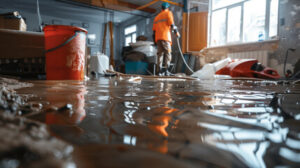
Unlike basic cleanup methods, emergency water removal requires specialized tools, experience, and a systematic approach to mitigate damage effectively. Skilled technicians arrive equipped with high-powered pumps, industrial vacuums, air movers, and dehumidifiers to extract water quickly and prevent structural deterioration. Their expertise ensures that every part of the property is treated thoroughly, from visible water to hidden moisture behind walls and under flooring.
Understanding the Urgency of Emergency Water Removal
When water enters a property, time is of the essence. The longer water remains in contact with surfaces, the greater the risk of structural damage, material weakening, and mold growth. Within minutes, water can seep into wood, drywall, carpets, and insulation. If left unattended, even minor flooding can lead to long-term issues such as warped flooring, crumbling walls, and compromised foundations. Mold, a common secondary effect of water intrusion, can develop within 24 to 48 hours, posing health risks and complicating the restoration process.
Professional emergency water removal services respond rapidly to these situations. With 24/7 availability, trained teams can reach the property quickly, assess the situation, and initiate water extraction immediately. Quick intervention not only minimizes the extent of damage but also accelerates the overall restoration process, preserving property value and preventing costly repairs.
Common Causes of Emergency Water Situations
Water emergencies can result from a variety of causes, and recognizing them can help property owners take preventive action. Some of the most frequent triggers for emergency water removal include:
- Burst or Leaking Pipes: Pipes can crack due to aging, freezing, or pressure fluctuations, releasing significant amounts of water into floors, ceilings, and walls.
- Severe Weather Events: Heavy rains, storms, and flash floods can inundate properties, requiring immediate water extraction.
- Appliance Malfunctions: Dishwashers, washing machines, water heaters, and sump pumps can fail, causing localized flooding.
- Sewer Backups: Blocked sewer lines or municipal system issues can cause contaminated water to flow back into buildings.
- Foundation Leaks: Water can seep through cracks or gaps in the foundation, particularly in basements or crawl spaces.
Understanding these causes allows property owners to maintain plumbing systems, inspect vulnerable areas, and take preventive measures to reduce the risk of emergency water damage.
The Process of Emergency Water Removal
A structured and professional approach is essential for effective emergency water removal. The process typically involves multiple stages designed to eliminate standing water, dry affected areas, and prevent secondary damage such as mold or structural weakening.
- Inspection and Damage Assessment: Technicians begin by evaluating the property to determine the source, type, and extent of water intrusion. They use moisture meters, infrared cameras, and other diagnostic tools to locate hidden water.
- Water Extraction: Using high-capacity pumps and vacuums, all standing water is removed quickly and efficiently. This stage is critical to preventing further absorption into floors, walls, and furniture.
- Drying and Dehumidification: Once the water is extracted, specialized air movers and dehumidifiers are deployed to eliminate residual moisture from walls, floors, and ceilings. Proper drying prevents mold growth and structural damage.
- Cleaning and Sanitizing: Affected surfaces are disinfected to remove bacteria, debris, and contaminants. This is particularly important for properties impacted by grey or black water, which may carry harmful substances.
- Repair and Restoration: After the water is removed and the area is dry, restoration teams repair or replace damaged materials such as drywall, flooring, or insulation. The property is restored to a safe, livable condition.
Following this comprehensive approach ensures that both visible and hidden water is addressed, preventing future issues and maintaining the structural integrity of the property.
Residential and Commercial Emergency Water Removal
Emergency water removal services are essential for both residential and commercial properties, though the approach may vary depending on the situation. In homes, the focus is often on protecting personal belongings, preventing mold growth, and restoring comfort. Technicians may work to dry carpets, salvage furniture, and repair water-damaged flooring and walls.
In commercial settings, speed is even more critical. Businesses must minimize downtime, protect valuable inventory, and ensure employee safety. Emergency water removal teams in commercial properties often use large-scale pumps, industrial dehumidifiers, and specialized drying equipment to handle significant volumes of water efficiently. Whether it’s an office building, warehouse, or retail space, professional intervention ensures the property is restored quickly and safely.
Preventing Mold Growth During Emergency Water Removal
One of the most significant threats after water intrusion is mold growth. Moisture trapped in walls, flooring, and furniture creates the perfect environment for mold spores to develop. Mold not only damages property but also poses health risks, including respiratory issues and allergic reactions.
Professional emergency water removal services address mold proactively. After removing water and drying affected areas, technicians apply antimicrobial treatments and monitor humidity levels closely. In cases where mold has already formed, remediation specialists safely remove contaminated materials and treat affected areas to prevent recurrence. Effective mold prevention is a key component of the water removal process, ensuring a safe and healthy environment for occupants.
Advanced Technology in Emergency Water Removal
Modern emergency water removal relies on advanced technology to improve efficiency and accuracy. Tools like infrared cameras help detect hidden water behind walls and under flooring. Moisture meters and thermal sensors provide precise readings, allowing technicians to target problem areas effectively. High-capacity pumps, portable vacuums, and industrial air movers accelerate water extraction and drying.
Additionally, HEPA air scrubbers improve indoor air quality by removing airborne contaminants, while ozone or antimicrobial treatments disinfect affected areas. The combination of technology and expertise ensures a thorough restoration process and prevents secondary damage that could compromise safety or structural integrity.
Benefits of Hiring Professional Emergency Water Removal Services
Relying on trained professionals for emergency water removal provides multiple advantages over DIY approaches. Attempting to handle significant flooding without proper tools and knowledge can lead to incomplete drying, hidden mold growth, and costly long-term damage. Key benefits of professional intervention include:
- Rapid Response: Emergency teams are available 24/7 to mitigate damage quickly.
- Advanced Equipment: Industrial-grade pumps, vacuums, and dehumidifiers ensure efficient water extraction and drying.
- Safety and Sanitation: Technicians handle contaminated water safely and sanitize affected areas to reduce health risks.
- Comprehensive Assessment: Professionals detect hidden moisture and structural weaknesses that could cause future problems.
- Insurance Support: Many companies assist with documentation for claims, streamlining the process for property owners.
These benefits highlight the importance of hiring experts to protect property, reduce recovery time, and ensure complete restoration.
Tips for Preventing Future Water Emergencies
While emergencies cannot always be avoided, preventive measures can significantly reduce the likelihood of water damage:
- Regular Plumbing Inspections: Check for leaks, corrosion, and weak pipe connections.
- Maintain Gutters and Roofs: Ensure proper drainage and repair damage promptly.
- Install Water Detection Systems: Sensors alert homeowners to leaks before they become major problems.
- Seal Foundations and Windows: Proper waterproofing prevents water intrusion.
- Monitor Appliances: Inspect washing machines, dishwashers, and water heaters for wear and replace faulty components.
Implementing these steps helps property owners minimize the risk of future emergencies and safeguard their investments.
Water emergencies are unpredictable and potentially devastating, but professional emergency water removal services provide the rapid response and expertise needed to restore safety and prevent long-term damage. From immediate water extraction and drying to cleaning, sanitizing, and restoration, these services protect both residential and commercial properties from structural damage, mold growth, and health hazards.
Fast action is critical in any water-related emergency. By relying on trained specialists with advanced equipment, property owners can mitigate damage, reduce repair costs, and ensure a safe environment. Whether the water originates from a burst pipe, flooding, or appliance failure, professional emergency water removal services offer peace of mind, efficient recovery, and complete restoration for every affected property.