A home should be more than just a place to live. It should be a space that reflects your lifestyle, supports your daily routines, and provides comfort for everyone who lives there. As families grow and needs change, many homes begin to show signs of wear or no longer function as efficiently as they once did. Home improvement projects offer the opportunity to modernize living spaces, increase functionality, and create an environment that feels more inviting. Whether the project involves updating a single room or renovating multiple areas, thoughtful improvements can make a noticeable difference in both the appearance and performance of a home. Understanding the benefits of home improvement helps homeowners make informed decisions that enhance their property’s long-term value and livability. Click Here to learn more.
What Is Home Improvement?
Home improvement refers to a wide range of projects designed to repair, renovate, upgrade, or enhance different areas of a home. These projects may focus on improving aesthetics, increasing functionality, enhancing safety, or extending the lifespan of various building components. Some improvements are relatively simple, such as replacing outdated fixtures or repainting walls, while others involve larger renovations that completely transform kitchens, bathrooms, living areas, or outdoor spaces. Every project contributes to making the home more comfortable and better suited to the homeowner’s needs. Even small improvements can have a meaningful impact on everyday living.
Home improvement also involves maintaining the overall condition of the property. Regular updates help address normal wear and tear while preventing minor issues from developing into more expensive repairs. Replacing aging materials, improving layouts, and modernizing finishes all help keep the home functional and visually appealing. Continuous maintenance combined with strategic upgrades allows homeowners to protect their investment over time. A well-maintained home continues providing comfort and value for many years.
Why Should Homeowners Invest in Home Improvement?
One of the primary reasons homeowners invest in home improvement is to create a more enjoyable living environment. As lifestyles evolve, existing layouts may no longer provide the storage, flexibility, or convenience needed for everyday life. Renovating key areas allows homeowners to adapt their homes to changing family needs while improving the overall flow of the space. Better organization, updated finishes, and improved functionality contribute to a home that feels more comfortable and practical. Everyday tasks often become easier after thoughtful improvements are made.
Home improvement can also increase a property’s market appeal. Buyers are often attracted to homes that appear well maintained and feature updated finishes, efficient layouts, and modern amenities. Renovated kitchens, refreshed bathrooms, improved curb appeal, and functional outdoor spaces frequently leave lasting positive impressions during property showings. While homeowners often complete projects for their own enjoyment, these improvements may also strengthen future resale opportunities. Investing in quality upgrades benefits both current living and long-term property value.
Which Areas of the Home Offer the Greatest Improvement Opportunities?
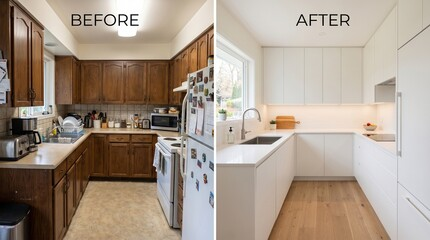
Kitchens remain one of the most popular areas for home improvement because they serve as the center of daily family life. Updating cabinetry, countertops, lighting, flooring, and appliances can dramatically improve both appearance and functionality. Improved storage and better workspace organization make meal preparation more efficient while creating a welcoming environment for family gatherings. Modern kitchen designs often emphasize simplicity, durability, and practical layouts that support everyday use. Even moderate upgrades can significantly transform the overall feel of the home.
Bathrooms are another area where thoughtful renovations produce noticeable results. Improved lighting, larger showers, updated vanities, and better storage create spaces that are both attractive and functional. Living rooms, bedrooms, entryways, and outdoor areas also benefit from improvements that enhance comfort and visual appeal. Whether updating finishes or improving layouts, each renovation contributes to a more enjoyable living experience. Focusing on frequently used spaces often provides the greatest daily benefits.
How Can Home Improvement Increase Energy Efficiency?
Many home improvement projects provide opportunities to improve energy efficiency while enhancing overall comfort. Replacing outdated windows and doors, improving insulation, upgrading lighting, and installing modern heating and cooling equipment can help reduce energy consumption throughout the year. These improvements contribute to a more comfortable indoor environment by maintaining consistent temperatures while reducing unnecessary energy loss. Greater efficiency often results in lower utility costs over time. Energy-conscious improvements benefit both homeowners and the environment.
Improving energy efficiency also supports the long-term performance of the home. Proper insulation, moisture control, and ventilation help protect building materials while creating healthier indoor conditions. Modern building products are often designed to perform more efficiently than older materials, making renovations an ideal opportunity to upgrade essential systems. Choosing energy-efficient solutions during home improvement projects creates lasting value beyond immediate visual enhancements. Smart improvements continue delivering benefits long after construction is complete.
How Does Home Improvement Improve Comfort and Functionality?
Comfort is one of the most important goals of any home improvement project. Better room layouts, increased storage, improved lighting, and updated finishes all contribute to spaces that are easier and more enjoyable to use every day. Removing unnecessary obstacles, improving traffic flow, and maximizing available space create a home that functions more efficiently for everyone. Practical improvements often make daily routines simpler while reducing clutter and improving organization. Comfortable homes support healthier and more enjoyable lifestyles.
Functionality extends beyond appearance by ensuring each room serves its intended purpose effectively. Flexible living spaces, organized storage, modern kitchens, and updated bathrooms help homeowners adapt to changing needs over time. Whether accommodating growing families, supporting remote work, or creating accessible living environments, home improvement projects allow properties to evolve alongside their occupants. A well-designed home provides convenience while supporting long-term comfort. Every thoughtful improvement contributes to a better overall living experience.
What Should Homeowners Consider Before Starting a Home Improvement Project?
Successful home improvement projects begin with careful planning. Homeowners should evaluate which areas of the home require attention, establish realistic priorities, and determine how each improvement supports their long-term goals. Planning ahead helps create a clear vision while reducing unnecessary changes during construction. Understanding the desired outcome before work begins often leads to smoother project execution and greater satisfaction with the final results. Preparation lays the foundation for successful renovations.
Material selection is another important consideration during planning. Durable flooring, quality cabinetry, moisture-resistant finishes, and long-lasting fixtures contribute to improvements that continue performing well for years. Homeowners should balance visual appeal with practicality by selecting products that complement their lifestyle while minimizing future maintenance. Timeless designs often provide greater long-term value than short-lived trends. Thoughtful decisions help create renovations that remain attractive as tastes and needs evolve.
How Can Home Improvement Add Long-Term Value?
Home improvement projects often provide benefits that extend well beyond immediate visual changes. Well-maintained homes typically experience fewer major repair issues because smaller problems are addressed before they become more serious. Regular upgrades also help preserve structural components while maintaining the home’s overall condition. Preventive improvements contribute to lower maintenance costs throughout the life of the property. Investing consistently in the home protects one of the homeowner’s most valuable assets.
Quality improvements also enhance everyday enjoyment while supporting future resale opportunities. Attractive living spaces, functional layouts, energy-efficient features, and durable materials appeal to many potential buyers if the home is eventually placed on the market. Even homeowners with no immediate plans to sell benefit from living in a home that is comfortable, efficient, and thoughtfully designed. Long-term value comes from combining quality workmanship with practical improvements that continue serving the household for years.
Final Thoughts
Home improvement is an ongoing investment that enhances comfort, functionality, efficiency, and long-term property value. Whether updating individual rooms, improving energy performance, modernizing finishes, or maintaining essential building components, every well-planned project contributes to a more enjoyable place to live. Careful planning, durable materials, and thoughtful design choices help homeowners create spaces that meet their current needs while remaining adaptable for the future. By making strategic improvements over time, homeowners can enjoy a safer, more attractive, and more valuable home that continues providing comfort for years to come.